
The psychology of risk understanding the gambler’s mindset in casinos
The psychology of risk understanding the gambler’s mindset in casinos
The Allure of Gambling
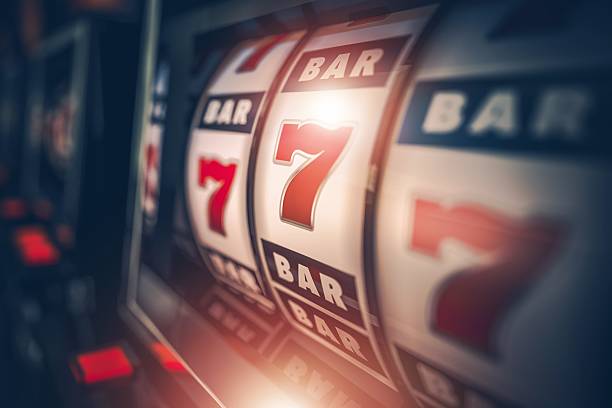
The thrill of gambling captivates many individuals, drawing them into the vibrant atmosphere of casinos. This allure is often fueled by the promise of potential winnings, the excitement of chance, and the social interactions that accompany the experience. Gamblers frequently find themselves mesmerized by flashing lights, enticing sounds, and the ambiance of risk and reward that permeates the bitcoin casino environment.

The psychology behind this attraction is rooted in the anticipation of wins and the emotions they elicit. For many, the rush of adrenaline associated with placing a bet or pulling a slot machine lever creates an exhilarating experience. This psychological high often outweighs the potential losses, fostering a belief that luck is just around the corner.
Understanding Risk Perception
Risk perception plays a crucial role in how gamblers approach their decisions. Many individuals perceive gambling as an opportunity for financial gain, leading them to underestimate the risks involved. This flawed perception can result in a cycle of chasing losses, where gamblers believe they can recover their money by placing additional bets.
Additionally, cognitive biases such as the illusion of control and gambler’s fallacy can skew a player’s judgment. The illusion of control makes gamblers believe that they can influence outcomes, while the gambler’s fallacy leads them to think that past losses increase the likelihood of future wins. These biases contribute to a distorted understanding of risk, which ultimately influences gambling behavior.
The Role of Emotions in Gambling
Emotions significantly impact gambling decisions, often driving individuals to act irrationally. When experiencing excitement, players might take larger risks, believing that their fortunes are about to change. Conversely, feelings of frustration or disappointment after losses can lead to reckless behavior, such as placing bets that exceed their financial limits.
Moreover, emotions can create a feedback loop. Winning can elicit feelings of euphoria that reinforce continued gambling, while losing can trigger a sense of desperation to regain losses. This emotional rollercoaster often clouds judgment, making it challenging for individuals to engage in rational decision-making regarding their bets.
Social Influences and Gambling Behavior
The social environment surrounding gambling can heavily influence an individual’s mindset. Casinos often foster a communal atmosphere where players share in the excitement of wins and the agony of losses. This camaraderie can create a sense of belonging, encouraging individuals to gamble more than they might on their own.
Peer pressure and social validation also play a significant role in gambling habits. Friends or acquaintances who gamble can motivate an individual to join in, often leading to increased betting behavior. The desire to fit in and share experiences can override personal financial considerations, further complicating the relationship between social dynamics and gambling.
Exploring Responsible Gambling
Understanding the psychology of risk is essential for promoting responsible gambling practices. Awareness of the cognitive biases and emotional triggers associated with gambling can help individuals make more informed decisions. Casinos and gaming organizations increasingly emphasize responsible gambling initiatives, aiming to educate players about the potential risks and the importance of setting limits.
Encouraging a balanced approach to gambling can lead to a healthier mindset. By recognizing that gambling should be viewed as entertainment rather than a reliable source of income, individuals can enjoy the experience while mitigating the risks. Resources and support systems are crucial in helping those who may struggle with gambling-related issues, promoting a safer gaming environment.